Materiales y Plumas
Every feather, named.
Occasion headwear uses more animal-derived and decorative material than any other kind of hat. This page states, piece by piece, exactly what is in each one.
What is the rule you work to?
No piece goes on sale without a declared feather source. There are exactly three permitted values: none, synthetic with the material named, or a species together with its husbandry and country. A record missing that field, or naming a species outside the approved list, is blocked before it can be published — that check runs as part of the build, not as a policy someone remembers.
Two hard limits
No species covered by international endangered-species trade controls is used, anywhere in the range. Sourcing is restricted to common farmed poultry.
No real fur is used, anywhere in the range, in any quantity, including as trim.
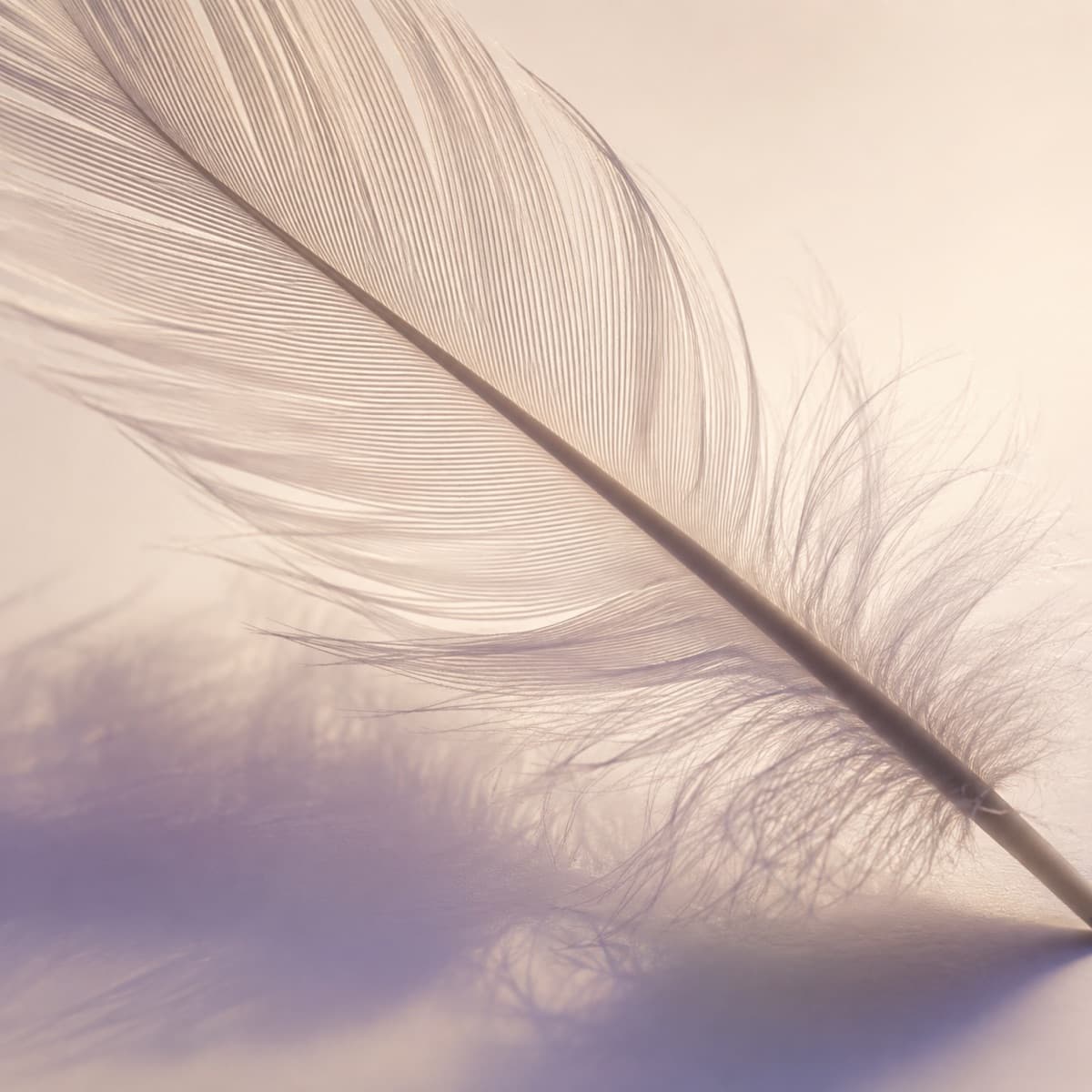
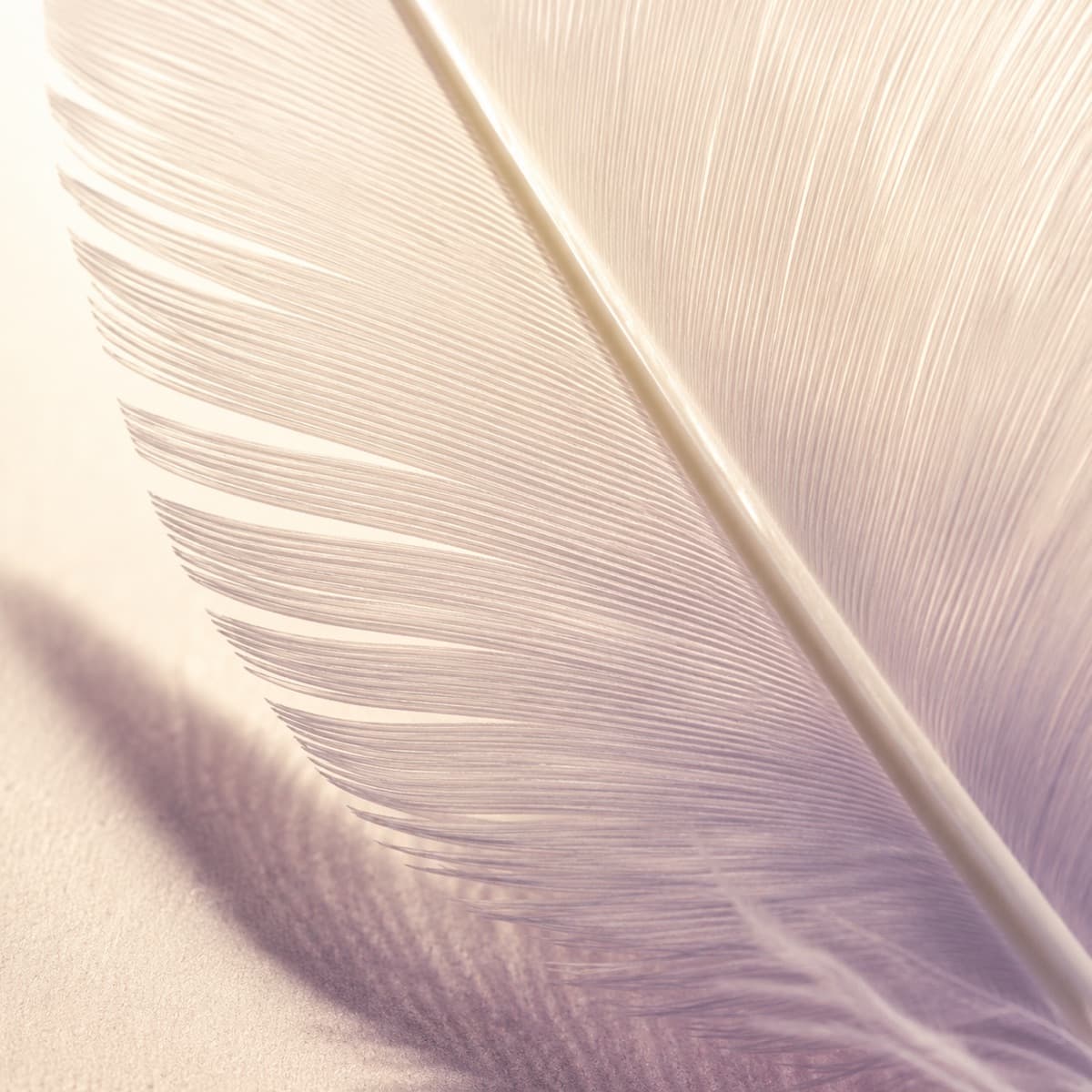
Which pieces contain real feather? (4)
- A-06 — Brim Feathered
Goose feather, farmed (Spain)
- B-04 — Fascinator Feather
Goose feather, farmed (Spain)
- D-05 — Comb Feather
Rooster feather, farmed (Spain)
- F-05 — Races Set
Goose feather, farmed (Spain)
Feather is a by-product of food production in every case, sourced from farms in Spain. It is washed, sterilised and dyed before use. Where a piece is dyed, shade varies slightly between lots; that is stated on the product page as a property of the material.
Which pieces use synthetic feather? (1)
- B-05 — Fascinator Synthetic Feather
Synthetic polyester feather. No animal material at any point.
B-05 shares its silhouette with B-04 deliberately. If you want the shape without animal material — because of your own view, a guest’s, or an import restriction at the destination — that is a direct swap, not a compromise.
And the rest? (34)
The remaining 34 pieces contain no feather of any kind. Their materials are abaca sinamay, polyester satin, polyamide birdcage netting, synthetic crinoline, cotton buckram, covered steel wire, glass beads, polyester fabric flowers, acetate combs, covered headbands, stainless pins and grosgrain ribbon. Every product page lists its own composition in Spanish and English.
How is animal-derived material labelled?
Where a piece contains a non-textile part of animal origin, it carries the statement required by Regulation (EU) 1007/2011: Contiene partes no textiles de origen animal, followed by the species, husbandry and country. That statement appears on the product page and on the physical label.
What about the metal parts and the leather?
Metal fittings that sit against skin for long periods — pins, clips, headband cores — are specified to the nickel release limit in Annex XVII of REACH.
No piece in this range uses a leather sweatband, so the hexavalent chromium limit for leather does not arise. If that ever changes, this page changes with it.
Do any of these protect me from the sun?
No, and we make no claim of that kind. A hat that is marketed as protecting against solar radiation becomes personal protective equipment under Regulation (EU) 2016/425, with conformity assessment, a declaration of conformity and CE marking behind it. Nothing here has been through that process, so nothing here is described that way.
We describe brim width, weave openness, material and shape. What you conclude from a wide brim on a bright day is your business; we do not make it a selling point.
Something here is wrong or unclear. Who do I ask?
support@oliverhats.live. Material and sourcing questions are answered with specifics, including the supplier country, or with an honest “we will find out and come back to you”.